
Fire and Smoke Damage Duct Cleaning for Commercial Buildings
Do not restart your HVAC system after a fire or smoke event until it has been professionally assessed. Every time a smoke-contaminated system runs, it re-aerosolizes soot particles throughout the building, exposing occupants to polycyclic aromatic hydrocarbons, heavy metals, and carcinogenic combustion byproducts. Our IICRC S700-certified team mobilizes within 24 to 48 hours for emergency commercial duct cleaning after fire or smoke damage.

Why Professional Fire And Smoke Damage Duct Cleaning Makes a Difference
Contaminated HVAC systems recirculate dust, allergens, and airborne pollutants continuously throughout your facility. Regular professional cleaning restores airflow, improves indoor air quality, and protects your equipment investment.
Restarting a smoke-contaminated system immediately re-distributes toxic soot throughout the building. Shut it down and call us first.
Our technicians hold IICRC Fire and Smoke Restoration Certification and follow S700 standards on every post-fire project.
Soot at 0.4 to 0.7 microns bypasses standard filters and carries PAHs, heavy metals, and carcinogens into the breathing zone.
Every component is assessed, ductwork, air handler, coils, blower, and filter assembly not just visible surfaces.
Complete pre and post-remediation documentation package formatted for insurance adjuster review.
We respond fast to minimize business interruption and prevent continued soot exposure.
Fire and Smoke Restoration Certification required on every post-fire project.
Post-remediation odor testing confirms successful elimination before occupancy is restored.
Itemized cost documentation and project report designed to accelerate your insurance claim.
Our Cleaning Process
Every project follows a structured, documented process using NADCA-compliant source-removal methods, HEPA-filtered negative pressure, and post-service verification.
Emergency system assessment
Complete HVAC system assessment within 24 to 48 hours. System remains shut down. All findings photographed and documented for insurance.
System lockout
HVAC locked out of service before any work begins to prevent further soot distribution.
HEPA vacuum and dry sponge cleaning
Duct interiors cleaned using dry soot sponges and HEPA vacuum extraction. No wet methods used before dry cleaning is complete.
Coil and air handler service
Cooling coils, blower assembly, and filter housing cleaned. Filter media replaced.
Odor neutralization
Thermal fogging or hydroxyl generator treatment neutralizes smoke odor compounds adsorbed onto duct surfaces and insulation.
Post-remediation verification and insurance report
Post-cleaning inspection confirms soot removal. Complete adjuster-ready documentation package delivered.
Filter Maintenance vs. Full Duct Cleaning
Replacing filters captures some airborne particles but leaves contamination already settled inside ductwork untouched. Professional cleaning addresses the full system.
| Component | Action required | Notes |
|---|---|---|
| Sheet metal ductwork | IICRC S700 source removal cleaning | Typically remediable in place |
| Duct insulation liner – soot embedded | Replace | Porous – cleaning insufficient |
| Cooling coils | Full coil cleaning required | Soot on fins recirculates if not cleaned |
| Blower assembly | Full cleaning required | Soot on blades re-aerosolizes on startup |
| HVAC filters | Replace immediately | Cannot filter sub-micron soot particles |
| Directly flame-damaged ductwork | Replace – not clean | Structural damage from heat exposure |
Explore Our Other Cleaning Services
We provide specialized duct cleaning solutions for every commercial environment.
 Heavy-duty facilities
Industrial Duct Cleaning
View service → Healthcare environments
Medical Duct Cleaning
View service →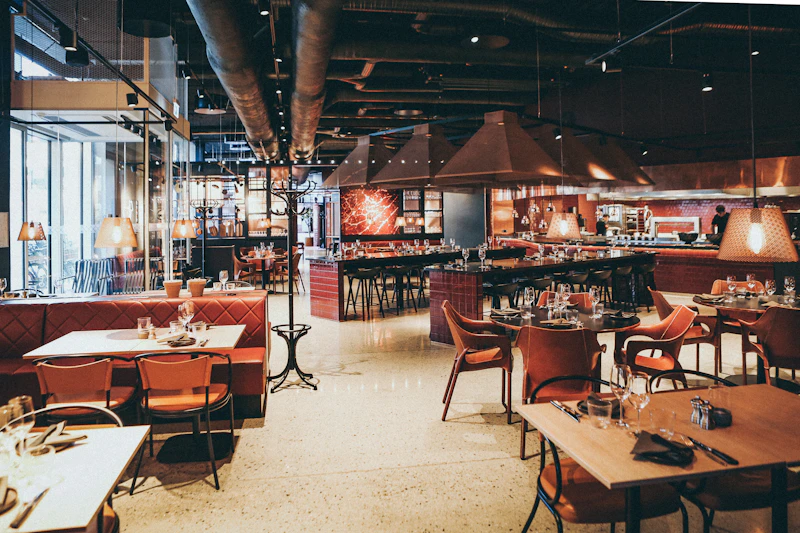 Food service
Restaurant Hood Cleaning
View service → Educational facilities
School Duct Cleaning
View service → Disinfection
HVAC Sanitizing
View service → Commercial buildings
Commercial HVAC Cleaning
View service →Common Questions
Yes, immediately and before restarting your HVAC system. A smoke-contaminated HVAC system re-distributes toxic soot to every occupied space every time it runs.
Soot particles average 0.4 to 0.7 microns, below the capture threshold of standard air filters. They carry PAHs, heavy metals, and other toxic combustion byproducts that cause respiratory damage and carcinogenic risk with repeated inhalation.
The IICRC S700 Standard and Reference Guide for Professional Fire and Smoke Damage Restoration, the industry standard that governs post-fire remediation protocols, including HVAC cleaning.
We target 24 to 48 hours from initial contact for commercial fire and smoke damage duct cleaning projects.
A complete package including pre-remediation assessment with photographs, scope of work, IICRC-compliant methods used, technician certifications, post-remediation verification, and itemized costs, formatted for adjuster review.
Request a Free Quote
Call our emergency line now or fill out the form. Tell us your facility type, the nature and location of the fire or smoke event, and whether your HVAC system has been restarted. We will confirm mobilization timing within the hour.